

- 29/01/2026
- Valmet Automation
Valmet Blade Consistency Measurement – Valmet SP
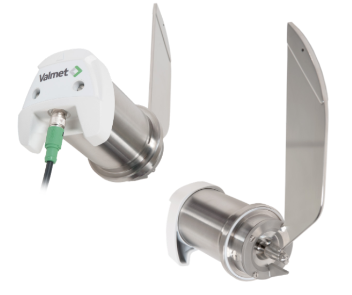
Now in its 4th generation, Valmet SP has a long history; with the method patented already in 1954, it is still the most used measuring principle on the market. There are many reasons for the continued success of Valmet SP: its high accuracy, cost efficiency, reliability and virtually maintenance free operation, together with meeting the requirements of many different applications have gained Valmet SP a well deserved reputation in the pulp & paper industry. The development of the 4th generation of Valmet SP focused on retaining the well proven solutions of earlier generations and employing new technology to further improve both the measurement and user experience.
1. Reliable
Valmet has a long experience in developing and manufacturing long lifetime sensors, with Valmet SP being no exception. Valmet SP has a robust design, without jeopardizing the high sensitivity. Requiring no preventive maintenance, SP will operate for a long time in different process conditions. However nothing is so good that it can’t be better, so to ensure optimum reliability Valmet offers advice of how to install the sensor and associated equipment to protect components from adverse process conditions. The heritage from previous sensor models is strong, and successful solutions have been reused in the new 4th generation Valmet SP
2. High performance
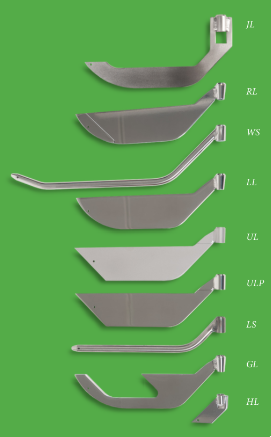
For good performance, sensing element selection is very important as fiber characteristics are very different for different fiber types. Recycled fibers for instance have a lower shear force compared to kraft softwood fibers. Valmet’s comprehensive sensing element selection and preprogrammed calibration curves make it easy to get the best performance from Valmet SP.
3. Advanced compensation
To fine tune the performance even further Valmet SP has separate temperature compensations for electronics, shear force detector and process temperature. With normal process conditions the temperature is normally very stable but the benefit of compensation is best seen at machine start ups and with season variations of process temperature. Water viscosity and fiber stiffness can have a noticeable effect to the measurement result.