
- 28/07/2026
- Valmet Automation
Distributed control systems (DCS)
Process automation solutions
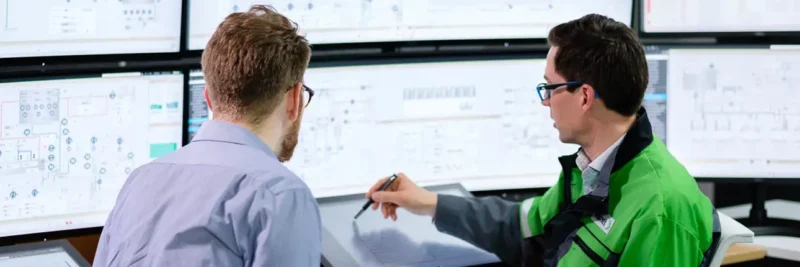
Valmet DNA and Valmet DNAe are safe, future-proof distributed control systems built on your industry’s leading process know-how. They empower your people to perform at their best, utilizing a unified user interface and sharing advanced data analytics from Valmet DNAe. With lifetime systems compatibility, step-by-step upgrades, and seamless migration from other DCS and PLC systems, you can unlock the full potential of your 24/7 operations for decades to come.
Valmet DNA
Valmet DNA is a reliable and future-proof distributed control system with proven controls, advanced process controls, and asset performance management inside the same system. It provides the same industry-leading user interface as Valmet DNAe and a guaranteed upgrade path.
Valmet DNAe
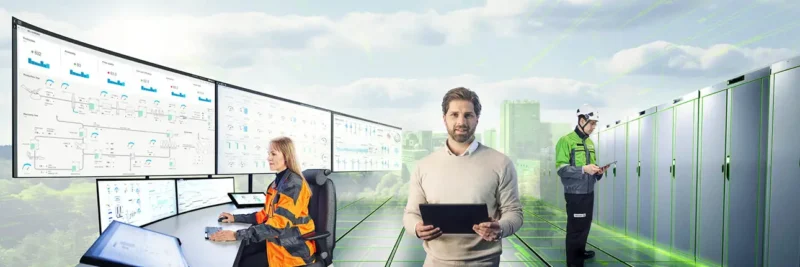
Valmet DNAe is a next-generation distributed control system designed to evolve in the modern connected world. It delivers an industry-leading user experience and enables informed decision-making. Valmet DNAe provides great scalability in size and functionality. It sets the stage for greater autonomy and a digitalized future.
Future-proof Process Automation for Continuity
User Interface
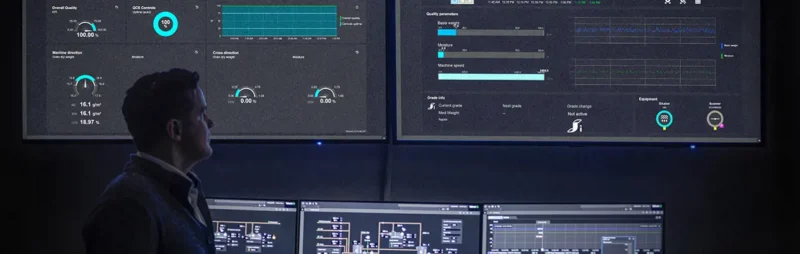
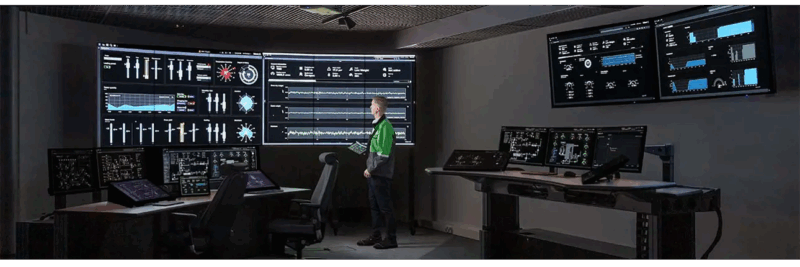
Valmet DNAe User Interface is a new web-based user interface for Valmet DNA and Valmet DNAe. This global user interface makes the most meaningful information available according to user roles.
Data & Analytics
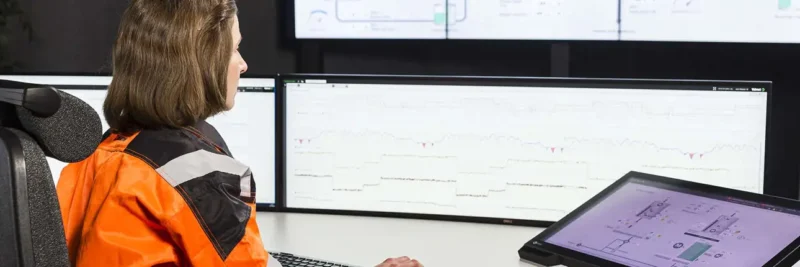
Effortless data utilization for all users from control room to analytics teams and office stakeholders. The advanced dashboarding and analysis tools are designed specifically for industrial data and use cases.

Hardware
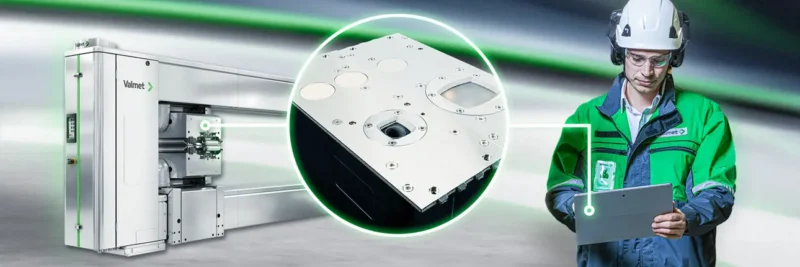
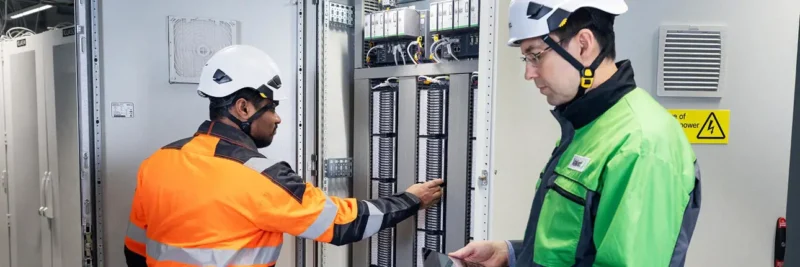
Robust DCS Controllers and I/O deliver maximum reliability. The modular fit-for-purpose hardware provides exceptional connectivity and scales up to your future needs.
Migration & Replacement
Aging Distributed Control Systems pose significant operational risks, including unplanned downtime and a shortage of personnel skilled in managing outdated technology. Valmet mitigates these risks with proven system replacement solutions, ensuring a safe and smooth transition to the modern Valmet DNAe platform.
Simulators
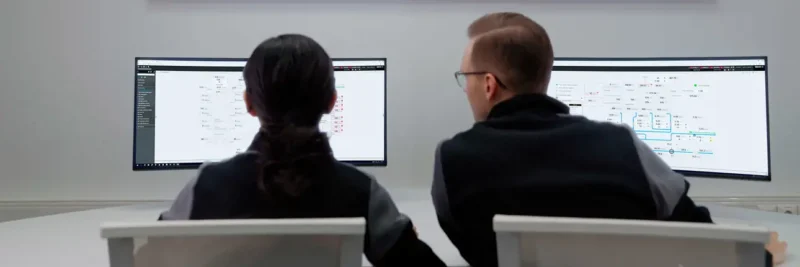
Training Simulators are effective tools for operators and other mill staff. As part of Valmet’s integrated training package, these highly realistic simulators ensure a successful start-up and efficient long-term operation of key process and machine modules.
Valmet D3
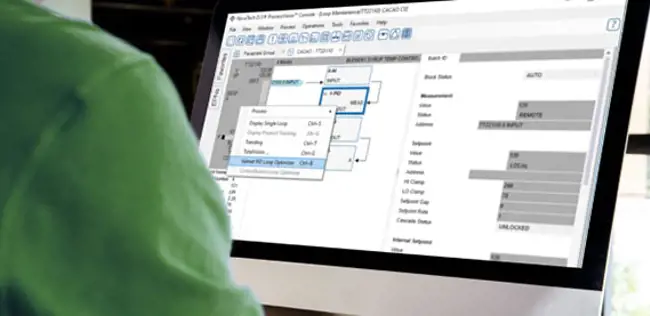
The Valmet D3 Distributed Control System combines robust hardware, no-hassle software licensing, open connectivity, and a continuous forward migration path to maximize your ROI.
What is a Distributed Control System (DCS)?
A Distributed Control System (DCS) is a sophisticated control architecture used in industrial processes to monitor and manage complex operations. Unlike traditional control systems, which often rely on Programmable Logic Controllers (PLC), a DCS distributes control functions across multiple controllers and locations, ensuring enhanced reliability, scalability, and efficiency. This decentralized approach allows real-time data collection and processing, improving decision-making and operational performance.
A DCS integrates system components such as human-machine interface (HMI), historians, common databases, alarm management, and configuration environment into a unified system. Each control function is assigned to specific nodes, often referred to as controllers or remote terminal units, which are interconnected through a robust communication network. This network facilitates seamless data exchange and coordination among controllers, enabling precise control over industrial processes.